 Fresh
Fresh A Slower Approach to The Value Of Prevention, Minus the Overwhelm
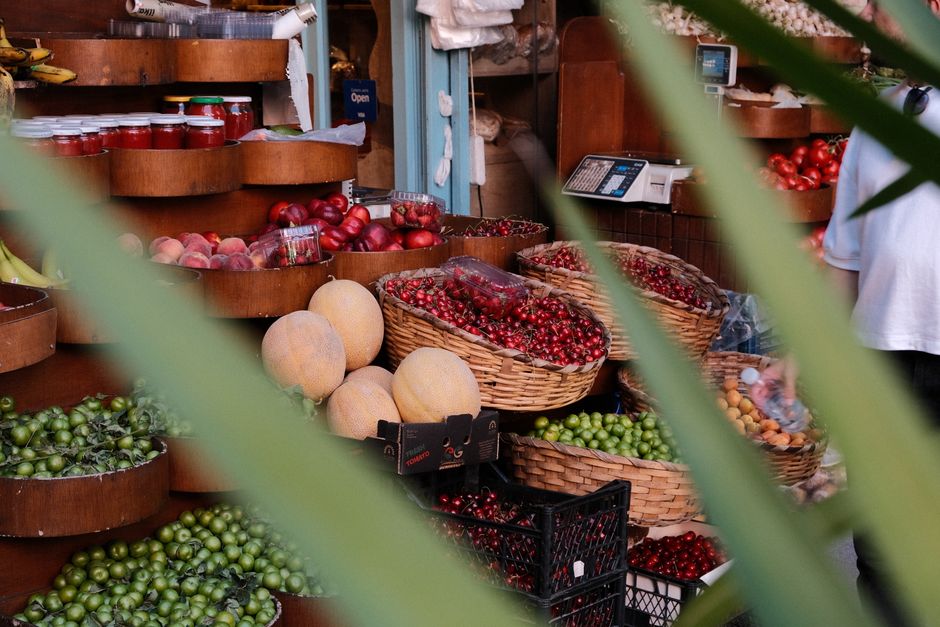
You do not need spare hours to make progress with the value of prevention; a few small moments in the day are enough. Think of it as gentle maintenance rather than a strict programme. The rest of this article walks through the value of prevention step by step, in plain language.
The time-poor reality
Still, probability is what is available. Over a long enough period, minor shifts in probability accumulate into different lives. The alternative — waiting until something demands attention — is not a strategy but a deferral, and the interest on it is paid in years.
Quick wins that fit any schedule
On a day-to-day level, prevention suffers from an awkward feature: when it works, nothing happens. There is no gratitude for the heart attack that did not occur, no relief at the cancer detected early enough to be dull. The reward for prevention is an absence, and absences are difficult to feel.
Small changes like these are easy to underestimate, yet they are exactly what add up over months and years.
Habits that take seconds
Worth keeping in mind: this asymmetry explains why prevention is chronically underfunded in personal budgets of time and attention. Treatment is urgent and vivid. Prevention is optional and forgettable. Yet the return on the second is generally far larger than the return on the first, both in outcome and in the quality of the years involved. This aligns with information from MedlinePlus (National Institutes of Health).
Doing less, but consistently
Put simply, in practice prevention has several layers. There are behaviours that shift risk across an entire population over decades: not smoking, moving regularly, sleeping adequately, drinking moderately or not at all, eating in a way that includes plants and does not consist mainly of ultra-processed food. There is early detection, which shifts the nature of a disease rather than its existence — screenings, dental examinations, eye tests, blood pressure taken occasionally rather than never. There is vaccination, which prevents the illness outright. And there is the maintenance of the conditions that make all of this possible: sufficient money, sufficient sleep, and enough mental stability to attend an appointment. A complete breakdown is available on gluco6 official website.
It helps to focus on what you can realistically do most days, rather than an ideal you can only manage occasionally.
Protecting the little time you have
It helps to remember that prevention also has limits worth stating plainly. It reduces probability; it does not confer immunity. Healthy people become ill, and the assumption that illness must have been earned by carelessness is both false and cruel.
The practical takeaway is to keep the value of prevention simple enough that it survives a busy week, not just a good one.
Practical tips
In everyday terms, this can look like:
- Give any change a few weeks before judging whether it is helping.
- Anchor a new habit to something you already do each day, like your morning coffee.
- Protect your sleep, since it quietly makes everything else easier.
- Notice what works for you personally, since everyone responds a little differently.
The bottom line
Take it one small step at a time. Keep it simple, be patient with yourself, and let small changes add up. That is usually all it takes.
Frequently asked questions
Do I need special equipment or money?
No. Most of what helps is free or low-cost, and the simplest options are usually the ones people stick with.
Is this suitable for busy people?
Yes. Most of the ideas here fold into things you already do each day, so they take little extra time.
Is this relevant if I'm just starting out?
Yes. You can begin with one small change and build from there. With the value of prevention, steady progress beats trying to do everything at once.
How long before I notice a difference?
It varies from person to person. Give any new habit a few weeks of consistency before deciding whether it is working for you.