 Fresh
Fresh Rethinking The Pleasure Principle In Healthy Living, Starting Today
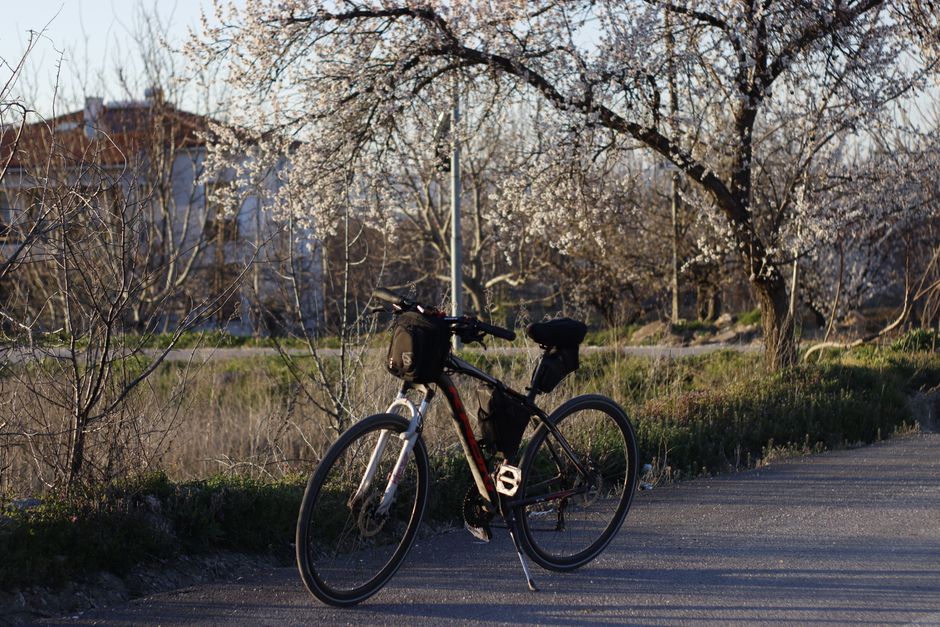
Clearing up a few common myths about the pleasure principle in healthy living takes away much of the confusion. None of this is complicated, and none of it needs to be expensive. The rest of this article walks through the pleasure principle in healthy living step by step, in plain language.
A common myth
Pleasure also has a direct rather than instrumental role. Enjoyment is not merely a means of adherence; it is part of what health is for. A life extended by five years of vigilant deprivation is not obviously a better deal than a life lived with reasonable care and some delight in it.
None of this has to happen all at once; even one small adjustment in this area tends to pay off over time.
What the evidence generally suggests
It helps to remember that the balance is found by distinguishing pleasures that accumulate from pleasures that deplete. A meal enjoyed with friends leaves something behind. A bottle of wine consumed alone to blunt an evening does not. Both are pleasant in the moment; only one is still contributing tomorrow.
Give yourself room to be imperfect here; a missed day is an event, not a reason to give up.
Why the myth persists
More often than not, health that is entirely joyless tends to end, either in abandonment or in a narrow, anxious existence that satisfies the metrics and misses the point. The task is to build a life that is good and, incidentally, sustainable — rather than one that is sustainable and, incidentally, unbearable.
If you remember only one thing here, let it be that steady, repeatable habits beat short bursts of effort.
A more balanced view
Worth keeping in mind: health advice tends toward austerity, and austerity has a poor record of persistence. The pattern that survives is usually the one that contains pleasure rather than the one that eliminates it. You can read more from MedlinePlus (National Institutes of Health).
What matters most is fitting this around your real routine, so it becomes something you barely have to think about.
What actually helps
This is not a licence for indifference. It is an observation about mechanism. Behaviours that are enjoyed require less self-regulation to maintain, and self-regulation is the scarce resource. Exercise that is actively liked continues after motivation fades. Food that tastes good and happens to be nourishing is eaten again. A social routine that is anticipated rather than endured continues to exist.
The honest takeaway
On a day-to-day level, choosing on this basis adjustments the questions. Not "what is the optimal form of exercise" but "what physical activity would I do on a Wednesday in November without persuading myself." For some many people that is dancing, gardening, cycling, or climbing. Rarely is it the thing that appears on the recommendation list.
Give yourself room to be imperfect here; a missed day is an event, not a reason to give up.
Practical tips
Here are a few easy places to start:
- Keep the useful option easy to reach and the tempting one a little harder.
- Give any change a few weeks before judging whether it is helping.
- Aim for good enough on busy days instead of skipping entirely.
- Protect your sleep, since it quietly makes everything else easier.
The bottom line
Take it one small step at a time. Keep it simple, be patient with yourself, and let small changes add up. That is usually all it takes.
Frequently asked questions
Do I need special equipment or money?
No. Most of what helps is free or low-cost, and the simplest options are usually the ones people stick with.
Is this relevant if I'm just starting out?
Yes. You can begin with one small change and build from there. With the pleasure principle in healthy living, steady progress beats trying to do everything at once.
How long before I notice a difference?
It varies from person to person. Give any new habit a few weeks of consistency before deciding whether it is working for you.
Is this suitable for busy people?
Yes. Most of the ideas here fold into things you already do each day, so they take little extra time.