 Fresh
Fresh A Step-by-Step Look at Sugar, Sweeteners And What To Do About Drinks, in Plain Language
When sugar, sweeteners and what to do about drinks does not go to plan, the reason is usually one of a few familiar traps. The focus is on habits you can actually keep, not a short-lived push. Here is a grounded, practical look at sugar, sweeteners and what to do about drinks that fits into a real, busy life.
The all-or-nothing trap
The key point is that sugar occupies more argument than it deserves and one clear position holds up: sugar consumed as a drink behaves differently from sugar consumed in food. Liquid sugar arrives quickly, produces little fullness, and is easy to consume in quantities nobody would eat.
Small changes like these are easy to underestimate, yet they are exactly what add up over months and years.
Trying to change too much at once
That makes drinks the single most efficient thing to change for many people. Replacing a daily sugary drink with water, tea, or a sparkling alternative removes a meaningful amount of energy without touching a single meal, and it is the change most likely to be sustained because it requires no cooking and no planning.
If you remember only one thing here, let it be that steady, repeatable habits beat short bursts of effort.
Ignoring the basics
Non-nutritive sweeteners occupy a middle position. The regulatory evidence supports their safety at ordinary intakes, and they are clearly preferable to sugar for teeth and for blood glucose. Whether they support with appetite over the long term is less settled, and the honest summary is that they are a useful step rather than a destination. MedlinePlus, from the U.S. National Institutes of Health provides reliable, up-to-date information on this topic.
If you remember only one thing here, let it be that steady, repeatable habits beat short bursts of effort.
Copying someone else's plan
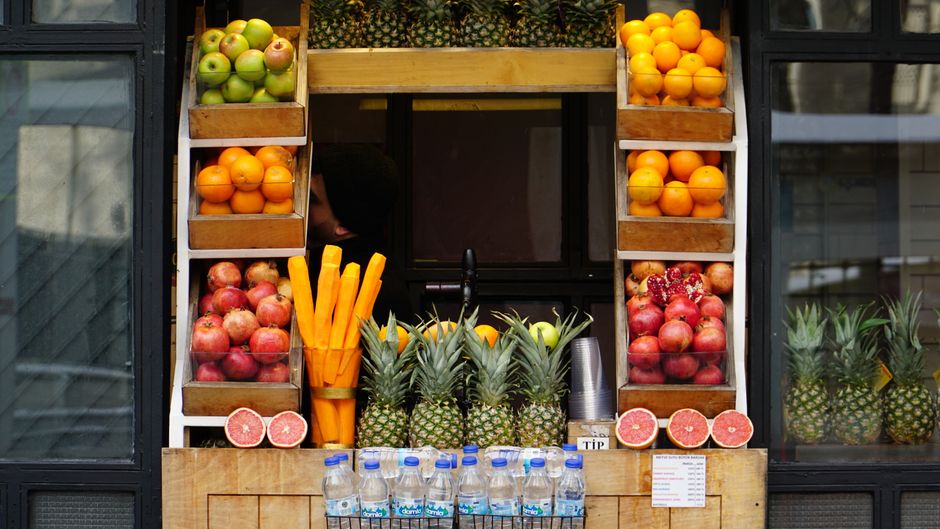
More often than not, fruit juice deserves a mention because it is widely misfiled. Nutritionally it behaves much closer to a sugary drink than to fruit, since removing the fibre removes most of what slows absorption. Whole fruit, with its bulk and its fibre, is a different proposition entirely. You can read the full details on visivra.
How to get back on track
It helps to remember that sugar in food is a smaller matter and worth keeping in proportion. A dessert eaten deliberately, in company, at the end of a decent meal, is not the problem that population data describes. The problem is the several hundred unremarked calories arriving in liquid form each day.
Small changes like these are easy to underestimate, yet they are exactly what add up over months and years.
Practical tips
Some practical points to keep in mind:
- Ask for a little support from someone around you when you can.
- Start small and stay consistent rather than aiming for a dramatic change.
- Aim for good enough on busy days instead of skipping entirely.
- Notice what works for you personally, since everyone responds a little differently.
The bottom line
Take it one small step at a time. Keep it simple, be patient with yourself, and let small changes add up. That is usually all it takes.
Frequently asked questions
What is the single most important thing to focus on?
Consistency. A modest routine you actually keep beats an ambitious plan you abandon after a week.
How long before I notice a difference?
It varies from person to person. Give any new habit a few weeks of consistency before deciding whether it is working for you.
Is this suitable for busy people?
Yes. Most of the ideas here fold into things you already do each day, so they take little extra time.
Do I need special equipment or money?
No. Most of what helps is free or low-cost, and the simplest options are usually the ones people stick with.